
Winter RV travel offers quieter roads, dramatic snow‑covered landscapes, and a more peaceful travel experience. However, cold weather introduces challenges that require thoughtful planning and preparation. Whether you’re traveling through the Royal Gorge region or heading to another winter destination, these safety tips will help you stay warm, protected, and confident on the road. Winter may be almost over but safety should not ever be ignored. With spring comes thawing roads which freeze quickly after dark. Icy conditions exist on areas prevented from direct sunlight throughout the day while bridges freeze much quicker than roadways.
Prepare Your RV for Cold Weather
Before departing, ensure your RV is properly equipped for freezing temperatures. Inspect insulation, seal drafts around windows and doors, and confirm that your furnace is functioning efficiently. If your RV is not designed for four‑season use, temporary insulation solutions such as Reflectix, foam board skirting, or thermal curtains can significantly improve heat retention. Carry a couple of gallons of RV antifreeze with you. It is a relatively cheap insurance policy.
For a detailed approach, review this guide on properly winterizing your RV for cold weather, which covers insulation, heating systems, and freeze protection in more depth.
Protect Your Water System
Frozen pipes are a common and costly winter issue. Learning how to prevent frozen RV pipes and protect your plumbing system can save you from expensive repairs and unexpected downtime. Use a heated water hose, insulate exposed water lines, and keep gray and black tank valves closed until you’re ready to dump.
In extremely cold conditions, using your onboard freshwater tank instead of a direct hookup can further reduce the risk of freezing.
Monitor Road and Weather Conditions
Winter weather can change rapidly, particularly in mountainous areas. Check forecasts frequently, stay alert for road closures, and avoid traveling during active storms whenever possible. Eliminating quick responses, braking and speed changes in these situations can help to reduce accidents.
Keep an emergency kit onboard that includes blankets, food, water, and power backups—this checklist of essential RV emergency supplies for winter travel ensures you’re prepared for unexpected delays or extended stops.
Adjust Your Driving Approach
Snow and ice require a more cautious driving style. Accelerate gradually, brake smoothly, and increase your following distance to allow for longer stopping times. If your RV is equipped for it, carry tire chains and ensure you know how to install them correctly. Reduce late night and early morning travel to find more favorable road conditions.
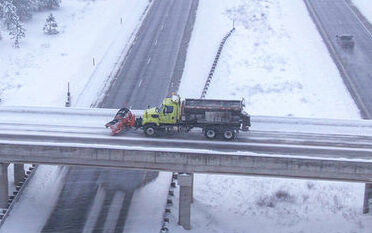
If you’re new to winter rv travel conditions, these winter rv travel tips on driving an RV in snow and icy road conditions can help you stay in control and reduce risk. When conditions feel unsafe, delaying travel is often the smartest decision.
Manage Heat and Ventilation
Staying warm is essential, but proper ventilation is equally important during winter travel. Running furnaces or space heaters without adequate airflow can lead to condensation buildup.
Ventilate during cooking or showering, crack a window when using heat sources, and consider a dehumidifier to control moisture. A dry RV is more comfortable and helps prevent mold, mildew, and interior damage. Be sure your carbon monoxide detector is functioning properly and have spare batteries.
Plan Overnight Stops Carefully
Choose campgrounds or RV parks that remain open year‑round and offer reliable electrical hookups. Researching year‑round RV parks and winter‑friendly campgrounds ahead of time helps ensure access to reliable power for heating and a safer overnight stay.
Whenever possible, arrive before dark. Setting up in freezing temperatures is easier and safer with daylight and visibility. Relax and enjoy the mornings. Let the road conditions come to you. Stay longer and stay safer.
Stay Flexible
Flexibility is one of the most valuable tools for winter RV travel. If a storm moves in, extend your stay. If road conditions deteriorate, adjust your route or wait for safer conditions.
Local residents, campground staff, and highway updates are often the best sources for real‑time information. Adapting your plans as conditions change can make the difference between a stressful experience and a safe, enjoyable journey.
- #WinterRVTravel #RVSafetyTips #ColdWeatherCamping #RVLife #WinterRoadTrip #RVPreparation #TravelSafe #FrozenPipes #RVMaintenance #RoadConditions #RVAdventure #StayWarm #WinterCamping #RVTravelTips #CampgroundSafety #ThawingRoads #SpringRVTravel